If you’re planning to explore Delhi’s heritage sites, get ready for a trip through centuries of history that still feel alive today.
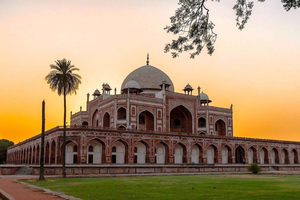
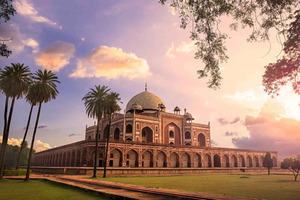
Places like Humayun’s Tomb or the Qutub Minar aren’t just old buildings. They’re stories etched in red sandstone and marble, where you’ll see how Mughal architecture influenced everything from later modern designs to the city’s gardens. And don’t miss the tucked-away alleys around Hauz Khas Village, where ruins meet a more modern vibe.
A little local tip? Visit Chandni Chowk’s Raj Ghat early in the morning. It’s peaceful then and makes you appreciate its significance as Gandhi’s memorial without the usual loud crowds. Also, if you can, time your visit during winter months when the weather makes wandering around so much easier.

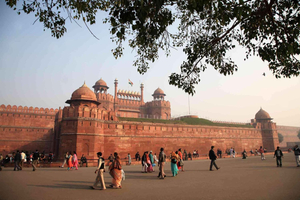
Walking through these sites, you’ll notice the little things , like the intricate jali screens at Safdarjung’s Tomb or the blend of Hindu and Islamic styles at the Red Fort. These places aren’t frozen in time; they’re stitched into the city’s fabric. Don’t rush; take your time and let Delhi’s heritage unfold naturally.

🌍 Part of the My Guide Network180+ destinations worldwide
Honestly, some of the best experiences at Delhi’s heritage sites happen when you step just outside the main attractions. For example, after visiting Humayun’s Tomb, take a short walk to the nearby Lodi Gardens,a quiet spot where you’ll find tombs set among mango trees and locals practicing yoga. Also, don’t underestimate the power of good footwear; many sites have uneven stone floors and a lot of walking. If you’re there on weekends, try to start early to miss the largest crowds. And if you get thirsty, skip the touristy stalls and grab some fresh sugarcane juice , it’s a small treat that keeps you going perfectly.
Frequently Asked Questions
Got questions about exploring heritage sites in Delhi? Here are some answers from a local.
If you’re looking to avoid crowds, try Agrasen ki Baoli near Connaught Place. It’s a quiet ancient stepwell that most tourists miss, yet the architecture is stunning. Plus, it feels like stepping into a secret place right in the middle of the city.
Most heritage sites close by sunset, but the Sound and Light show at the Red Fort happens after dark and is a cool way to experience history with some storytelling drama. It’s best to check timing in advance though, since it can change seasonally.
You can explore on your own, especially if you like wandering, but a local guide can really bring the stories alive, especially at places like Humayun’s Tomb or the Red Fort. If you want history with a twist of local anecdotes, it’s worth the extra cost.
Winter months,October to March,are your best bet. Delhi gets hot and dusty outside those months, which can make long walks uncomfortable. Early mornings work well too if you want to beat crowds and the midday heat.
Some sites like the Gandhi Smriti and parts of the Red Fort have wheelchair access, but many older monuments like Qutub Minar or Safdarjung’s Tomb have uneven ground and stairs. It’s good to check accessibility details ahead of time.
Generally, photography is allowed, but some places might restrict tripods or professional equipment. Inside certain museums or rooms, photos might not be permitted. Just watch for signs or ask a guard if you’re unsure.